
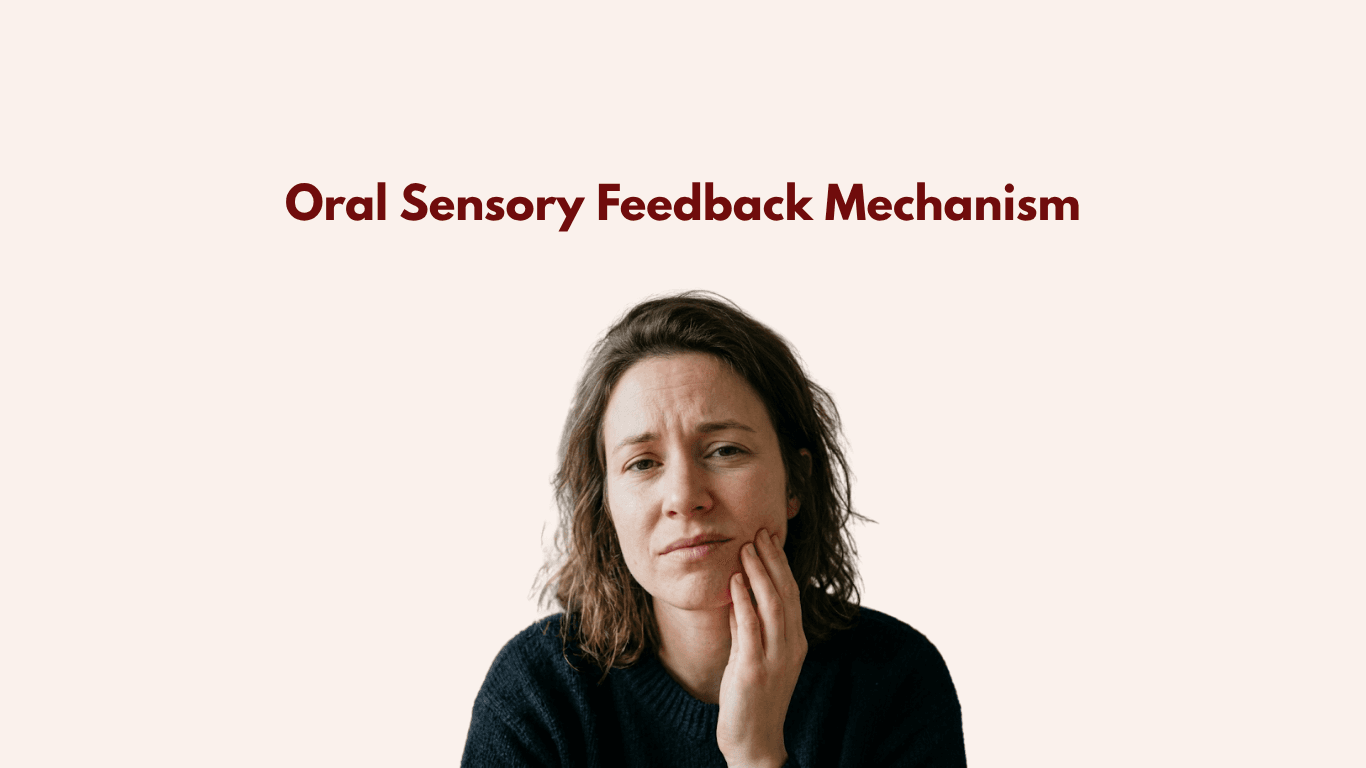
Your dental treatment is over, the anesthesia has worn off, and everything seems normal. However, your tongue can’t seem to leave the area alone. It somehow keeps going back to the same spot to examine it. But why does this happen? Why is our tongue so sensitive to change? Why is it so difficult for our tongue to adapt to change? Why can’t our tongue stop examining that area?
Our oral cavity is a highly sensitive environment, equipped with an intricate network of sensory receptors that help us perceive touch, pressure, texture, and changes in shape. The tongue, in particular, plays an important role in this process, allowing us to explore surfaces and detect differences that might otherwise go unnoticed.
This is made possible by oral sensory feedback (opens in a new tab), the process through which our nerves detect changes and transmit signals to the brain, where they are processed and interpreted. Even the slightest change in a tooth’s surface or contour can therefore become noticeable to us.
However, not every change in sensation should be ignored. While it is normal for your tongue to detect changes in your newly treated tooth, some sensations may point towards an underlying issue, such as a filling that feels too high, a sharp or rough edge, a gap in your filling, persistent sensitivity, or constant pain that is not gradually improving. These may indicate that your tooth needs further evaluation. So, when should you be concerned? If you feel like your teeth are not meeting the way they used to, you experience constant pain that isn’t improving, or you have sensitivity that won’t go away, it may be time to consult your dentist. Sharp or rough edges that are causing trauma to your tongue or surrounding soft tissues should also be evaluated.
The key is to differentiate between a change in sensation that simply takes time to adapt to and a symptom that may indicate an underlying problem. While your tongue is sensitive to even the slightest change in your mouth, it cannot diagnose the cause. That’s where a dental professional comes in. After all, not every unfamiliar sensation is concerning, but neither should persistent symptoms be dismissed.